Getting there, what to wear and what you hear
Sacromonte and the zambra: visit guide
Where Sacromonte's caves are, how to get up the hill, what to wear, how long the show runs and what the zambra is, checked against official sources.
See Los Amayas dates on GetYourGuide ↗Quick answer
Sacromonte is the cave quarter on the hill facing the Alhambra, and the zambra is Granada's cave style of flamenco. To see it at Los Amayas, plan a walk, taxi or bus up to Camino del Sacromonte 57, dress comfortably and allow for about an hour of show. Your confirmation shows the start time. The show-only ticket does not include transport, food or drinks.
Where Sacromonte is
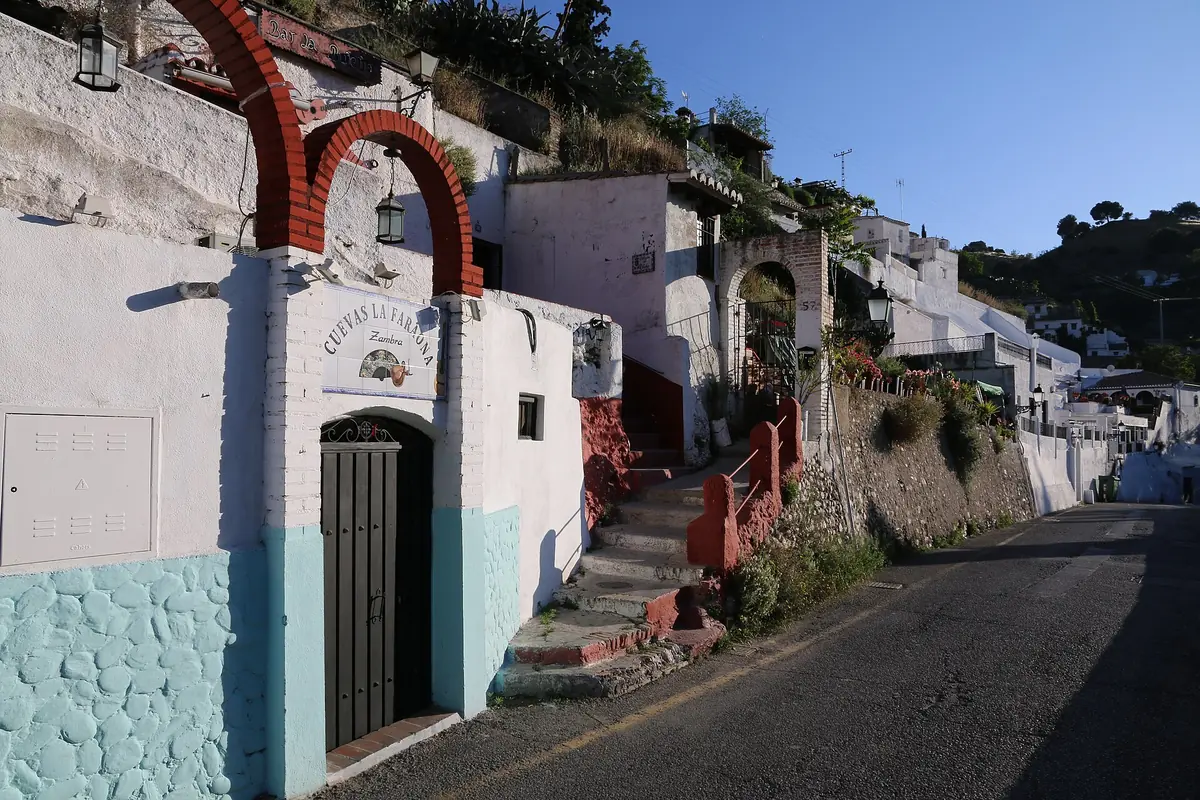
Sacromonte is a neighbourhood of Granada on the hillside and valley of Valparaíso, opposite the Alhambra, and it occupies both banks of the Darro river. Traditionally it is the neighbourhood of Granada's Roma, who settled in the city after 1492, and it is known for houses dug into the hill and whitewashed. Granada's tourism board calls it the city's most distinctive neighbourhood and the cradle of flamenco, and says the zambras, the caves used for flamenco shows, give performances daily. Wikipedia adds that the Roma of Sacromonte speak Caló, a mixed language that has declined sharply over the past century, and that the poet Federico García Lorca portrayed them in his Romancero Gitano.
What a zambra is
Zambra is a style of flamenco dance typical of the Roma of the provinces of Granada and Almería. The name comes from Andalusi Arabic zamra, and the dance is believed to continue earlier Morisco styles. It became typical at weddings, and today it is commonly danced for visitors in the caves of Sacromonte. So when a Sacromonte cave sells a zambra, it is selling a local form of flamenco, not a generic one. Wikipedia's account of flamenco more widely says the art developed within the gitano subculture of Andalusia, which helps explain why the caves of this quarter matter to its story.
The Amaya family's zambra
The history page of Los Amayas traces the Granada zambra to Antonio Torcuato Martín, known as El Cujón, a blacksmith who turned part of his forge on Plaza del Humilladero into a place for gypsy dances. After his zambra ended, the form settled on the Camino del Sacromonte, where in the early 20th century Juan Amaya led the Zambra de los Amayas. The venue also says the Amaya zambra performed at the 1922 Cante Jondo contest in Granada, which Wikipedia says Manuel de Falla and Federico García Lorca helped organise in an effort to dignify and preserve the deepest forms of Andalusian song. These are the venue's claims about its own heritage, so read them as its account rather than as an independent verdict.
What you will see and hear
UNESCO describes flamenco as song, dance and guitar: cante, baile and toque. Cante is sung with no backing singers, and the lyrics are short and simple, covering feelings from grief to joy. In baile, UNESCO says, men use their feet more heavily and women move more gently, and castanets, hand-clapping and foot-stamping also appear. The guitar has long outgrown a supporting role. At Los Amayas there is no stage and no amplification, so all of it reaches you unamplified. Wikipedia lists the forms of flamenco, the palos, and puts zambra among them alongside soleá, alegrías and bulerías, so a night can move between moods rather than keeping one.
Read next: What to Expect at a Cave Flamenco Show
Getting there and back
The venue's directions say access is mainly on foot, by taxi or by public transport, because much of the neighbourhood restricts private cars. From Plaza Nueva they give a walk of about 20 minutes: along Carrera del Darro and the Paseo de los Tristes, up Cuesta del Chapiz, then along Camino del Sacromonte to number 57. They name city bus lines C31, C32 and C34 for the route up. Timetables and diversions change, so check the bus operator, Transportes Rober, before a late show, and keep a taxi as your fallback. The venue's page says the walk from Plaza Nueva ends with about ten minutes along Camino del Sacromonte itself, so do not stop counting when you leave the Albaicín.
Choosing a date and a time of day
The booking runs every night, and its calendar shows the times open for each date. The ticket does not include transport, so a later show means planning the way back down the hill too. If you want a viewpoint before the show, Granada's tourism board promotes the Mirador de San Nicolás in the Albaicín, and describes Sacromonte's little white houses glowing deep red at sunset. Sunset time changes through the year, so check it for your date, and allow extra time for the climb. The booking calendar sets the time, and your confirmation repeats it, so decide your viewpoint plan after you pick the slot rather than before.
What to wear
The venue says there is no strict dress code. It recommends comfortable, appropriate clothes for a cultural event, notes that many people wear casual but elegant outfits, and suggests avoiding overly sporty or beach clothes. The way up is on a hillside and the cave is cut into rock, so shoes you can walk uphill in are the practical choice. Nothing in the booking or the venue's pages asks you to dress up as a performer or to bring anything with you, and the venue's own wording is about comfort and a respectful, cultural-event look.
Length, language and children
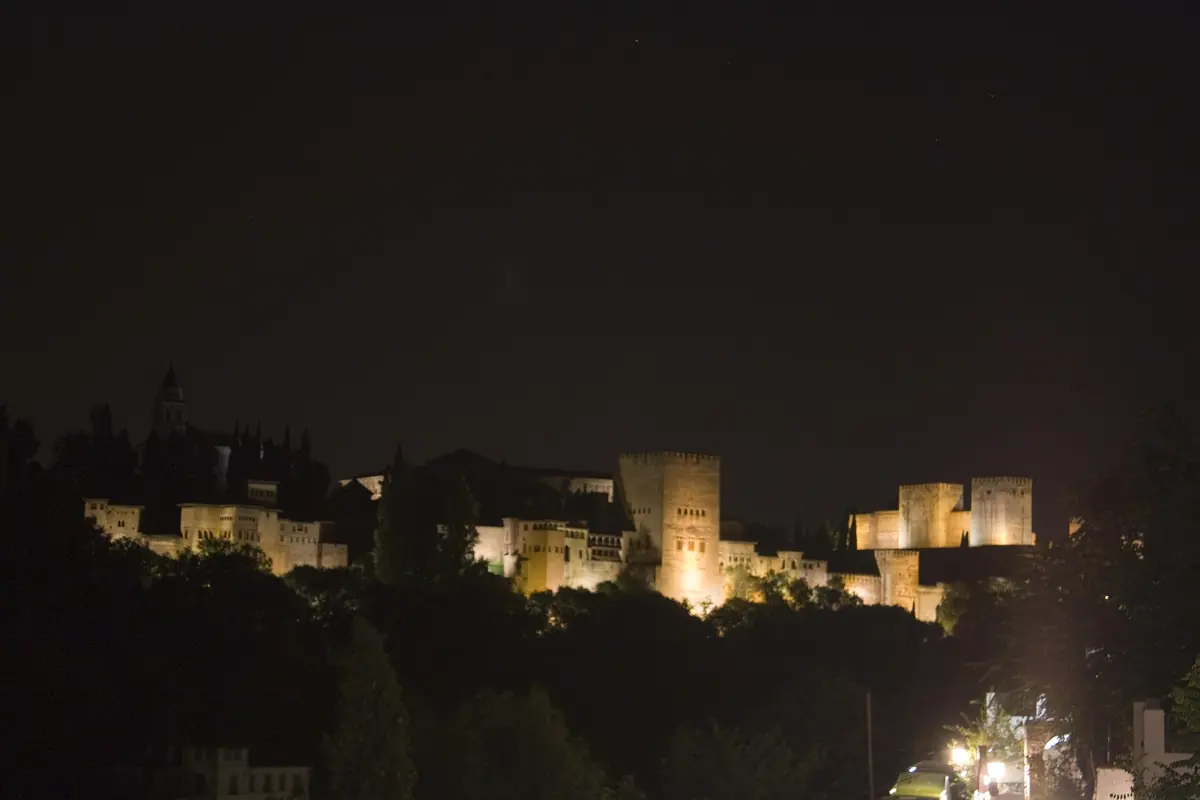
The show runs about an hour. There is no spoken plot to follow, and UNESCO describes the lyrics as brief and simple, so you do not need to follow the words to follow the mood. The booking form asks you to choose a language when you pick a date. On age limits, neither the booking nor the venue's pages that we read state one, so ask the venue if you are bringing young children. The venue's site gives a telephone number and an email address for questions, which is the quickest way to settle it before you book.
Access and photos
The booking describes a cave carved into the hillside, and the neighbourhood is steep with restricted car access. Neither the booking nor the venue's pages describe steps, ramps or step-free routes, so contact the venue before you book if that matters to you. They also do not state a photography policy. Ask on the night, and follow the staff's instructions over anything you have read. A cave this close to its performers works best when phones are put away, so decide in advance how much of the hour you want to spend behind a screen.
Around the show
Granada's tourism board lists several sights in Sacromonte: the Cuevas del Sacromonte Museum, which it says has a view of the Alhambra, the Museum of Gipsy Women, and Sacromonte Abbey. Wikipedia adds that the caves museum has a cave devoted to the history of flamenco in Sacromonte. Opening hours change, so check each one before you go, and keep them on a different part of the day from your show so the hill does not become a rush. Wikipedia also notes the 17th-century Sacromonte Abbey, where the so-called Lead Books are kept. It says their supposed finding in the 1590s gave the neighbourhood its name, and that they were later declared a forgery.
Who this isn't for
If you cannot manage steep lanes or steps, plan the transport and ask the venue about access before booking. If you want food and drinks included, the show-only ticket does not give you that. And if you are looking for a polished theatre show with a stage and amplified sound, this is the opposite: a small cave, an unamplified sound and performers close to the audience.
Frequently asked questions
Where is Sacromonte in Granada?
On the hillside and valley of Valparaíso, opposite the Alhambra and bordering the Albaicín, on both banks of the Darro river. Los Amayas is at Camino del Sacromonte 57, according to the venue.
How do I walk to Cueva Los Amayas from Plaza Nueva?
The venue gives about 20 minutes on foot: along Carrera del Darro and the Paseo de los Tristes, up Cuesta del Chapiz, then along Camino del Sacromonte to number 57. It also lists taxi and city bus lines C31, C32 and C34.
What should I wear to a flamenco show in a cave?
There is no strict dress code. The venue suggests comfortable, appropriate clothes and says to avoid overly sporty or beach clothes. Wear shoes that suit a walk uphill.
What is the zambra?
The zambra is a style of flamenco dance typical of the Roma of Granada and Almería. It became typical at weddings, and today it is commonly danced for visitors in the caves of Sacromonte.
How long is the show?
About an hour, according to both the booking and the venue's home page. The booking calendar and your confirmation show the start time for your date.
Can children go to the show?
No age limit appears on the booking or in the venue's pages that we read. Ask the venue directly before you bring young children.
Sources